Build an unfair advantage in marketing

Paul Dervan
Paul Dervan

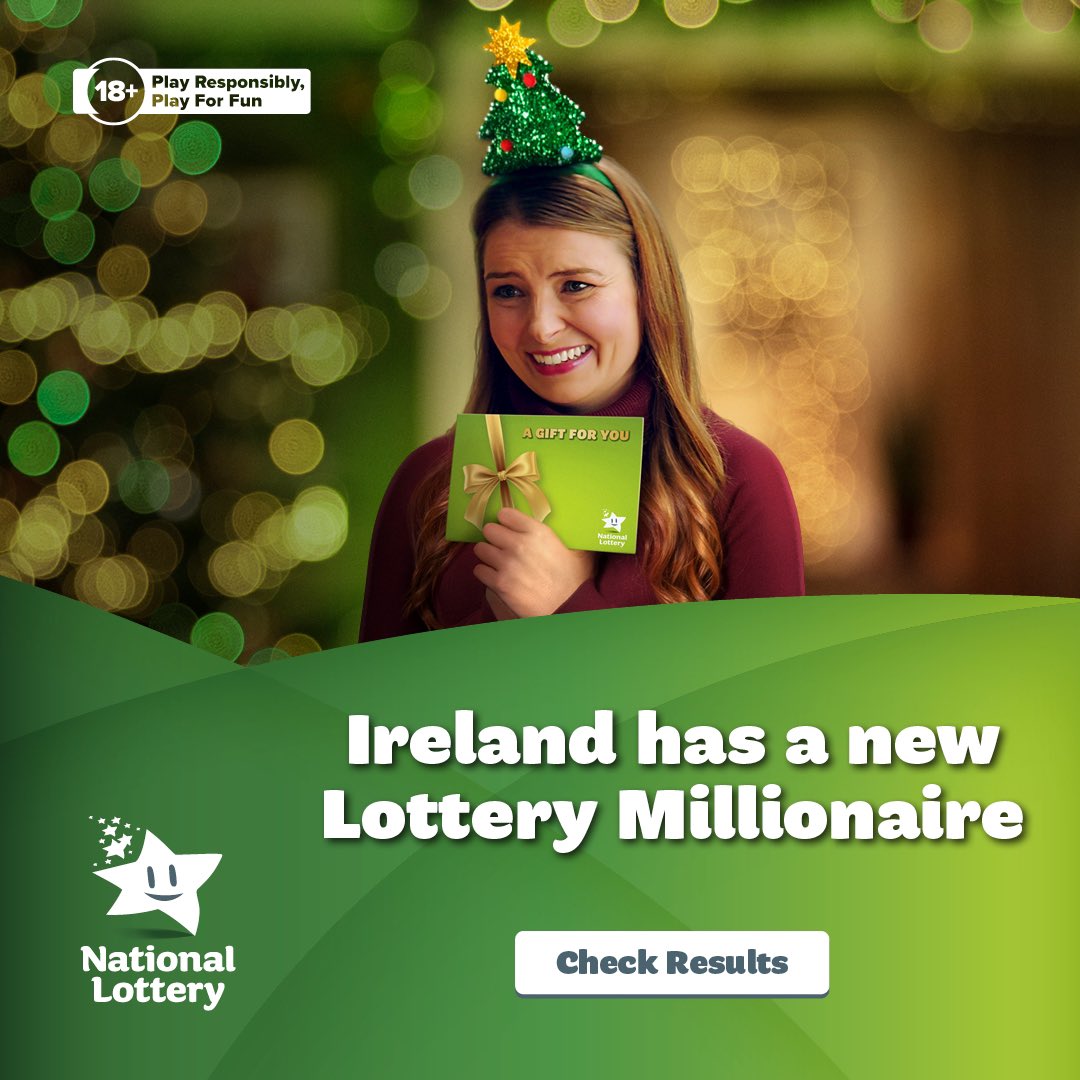
Twenty years in brand. Head of brand at O2 Ireland, then CMO at the National Lottery, one of the biggest FMCG brands in the country. Head of brand at Indeed and Miro, both global roles. Launched the challenger brand 48. Ireland's Marketer of the Year in 2022.

Trained by Peter Field, one half of Binet and Field, who wrote The Long and the Short of It. That obsession with effectiveness, what actually drives growth, how to measure it, how to build on it, runs through everything here.

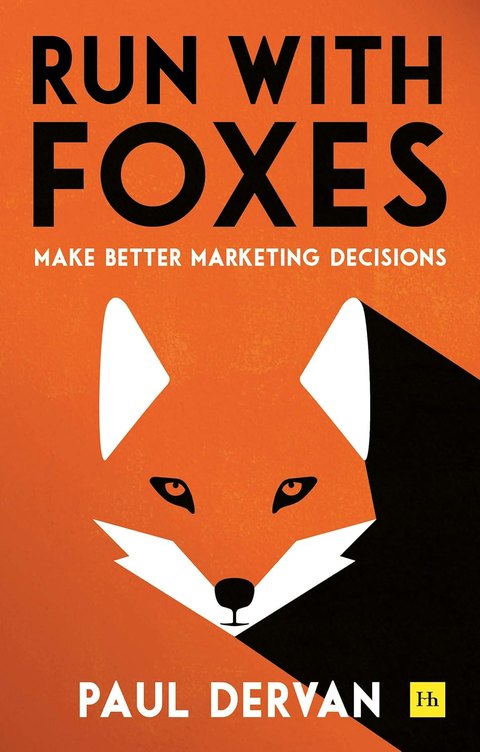
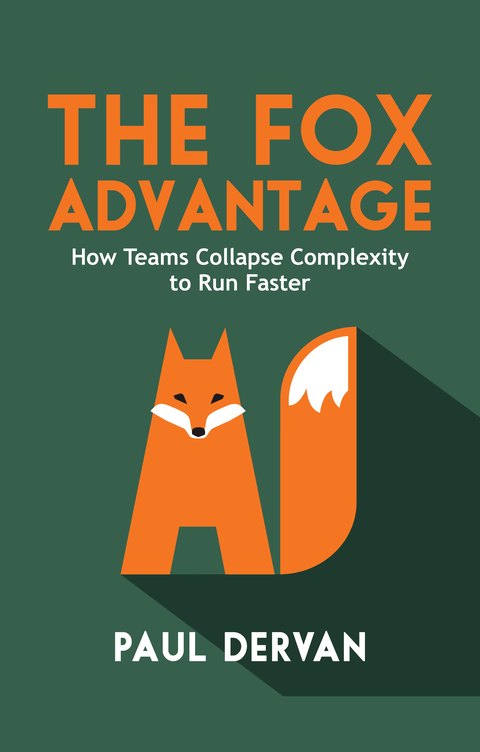
The first book was Run with Foxes, published in 2020, about marketing effectiveness. The new one is The Fox Advantage, about how marketing teams can thrive in an AI era.

Run with Foxes is the consultancy. We work with teams to bring twenty years of brand thinking together with AI, so they get faster without losing quality.

What I'm particularly interested in is systems. Set the bar high once, then build the system so your marketing stays at that level consistently, especially using AI.

We work with large marketing teams and with businesses that have no marketing team at all. B2B and FMCG. The challenges are different but the opportunities are across both.

Strategy
AI isn't just about faster answers. The interesting bit is better questions.
We built a panel of experts, effectiveness, CMO, growth marketing, commercial, each trained on different frameworks and different evidence. You put your plan in front of them. They look for the flaws, the biases, the assumptions you stopped noticing because you've been staring at the brief for three weeks.
It doesn't replace the strategist. It gives the strategist five informed perspectives before the plan leaves the building. The quality of the thinking goes up before any money gets spent.
Try the panel yourself →
Fox — strategy panel
“Paul is a strategic thinker, with world class creative capabilities. So he knows not just what to do, but how to do it. His unique talent is his ability to galvanise an organization.”
Jonnie Cahill — SVP and CMO International Foods, PepsiCo
Positioning
Brand equity is what people carry in their heads about your brand. AI won't do the positioning for you. But we can take a company's internal material, the decks, the briefs, the research, the campaign history, and use AI to work through it at speed against frameworks and competitive data. What we get to is a higher quality positioning document, like the brand house on the right, that the whole team works from. Messaging, briefs, creative, all built on it.
essence
“Honest, not heroic”
Better marketing decisions through honest examination of failures
Learning from failure
Fox thinking
Evidence-based
Brand salience
Honest learning
audience
Mid-career to senior marketers
voice
Smart colleague over coffee
proof
20 yrs brand leadership · Marketer of the Year 2022
Run with Foxes — brand house example
Messaging
Messaging flows from positioning. We built an agent that takes all of a client's material, the decks, the briefs, the landing pages, the keynotes, and understands the right framework for messaging. It reads through everything at speed and structures it into a messaging framework: master proposition, pillars, proof and language rules, all locked down. Because the fundamentals are right from the start, everything written after it is higher quality. Anyone writing anything checks against it first.
Messaging framework — one locked document, every message built on it
Research
Building AI research agents is one of the better use cases we've found. We built one that searches YouTube, Substack and other sources a couple of times a week on its own. It reads transcripts, pulls out the right information based on a brief, and builds a library over time. When something relevant comes up, it surfaces it.
It saves hours of reading and searching every week. We still need to read it ourselves. The robots haven't figured that bit out yet.
Fox — research

The Fox Advantage is available for free.

The book is almost finished. Pick up a copy.

Get the book
Advertising
We built an agent with deep knowledge of how advertising works. The different influence models we often don't think about. The difference between salience and persuasion. What fame actually requires versus direct response. Which KPIs make sense for each type. The constraints and trade-offs that come with each approach. Brand-building versus activation and why they need different briefs.
With all of that built in, it coaches teams to make good decisions before the brief goes out the door. It forces them to clarify which influence model they're using, looks for contradictions, and helps marketing teams sharpen and crystallise what they want from their advertising partners.
Try the brief diagnostician →
core diagnosis
“Your brief is climbing all rungs of the ladder at once.”
  • KPI mixes attention, attitude and sales from a single execution
  • Brief names demographics, not buying moments
  • Rational and emotional drivers treated as separate systems
“You need salience built on actual purchase triggers, not demographic mail merges.”
Marketing Influence Model Diagnostician — sample output
“I've worked with Paul on a number of very successful projects over more than 5 years. His command of marketing science as well as his instincts for great thinking and ideas are, in my opinion, superb.”
Peter Field — The Godfather of Effectiveness, Author of The Long and the Short of It
Marketing effectiveness
You can't manage a brand if you can't measure one. We built an AI agent to help marketing teams and the wider organisation understand which metrics matter and how they influence each other. Paste in whatever you're tracking and the pyramid sorts them into five levels, from activity at the base to commercial outcomes at the top. It shows where the gaps are and where you're heavy on vanity metrics with nothing connecting them to revenue.
Try the metrics pyramid →
1
Commercial outcomes
2
Customer behaviour
3
Memory metrics
4
Comms response
5
Activity + outputs
The metrics pyramid — paste your metrics, see where the gaps are
Ad agent engine
We built an ad agent engine. Small teams can produce ads at speed that stay on brand and on message with very little effort, once it's set up. Setting up takes time if you care about the quality.
We care a lot about the quality. The consistency of the brand asset, the message, the tone, the fonts, the space around the logo, the transition from one frame to another. All the stuff that matters when you're putting your name on something.
What we like is the learning loop. The agents learn from the data from your winning ads to write and create the new ones. This is for sales activation, amplification of distinctive brand assets, performance ads. Brands still need to do the hard work on positioning, messaging and the work that creates your brand assets. The engine makes them work harder once they exist.
Two ads built by the engine — fox character, chart data, headlines, all AI-generated
Brand guardian
We built an agent that helps marketing teams stay on brand 100% of the time. It can review documents, flag where they drift, and offer suggestions on how to make them better. In some cases it can create the materials itself, docs, emails, webpages, presentations, all consistent with the brand guidelines it's been trained on.
Brand guidelines — built for AI, not just humans
“Paul Dervan reported into me as Head of Brand when I was at Indeed. I have learned more from him than anyone else in my career.”
Paul D'Arcy — CMO, Moloco. Former CMO at Miro and Indeed
Events
We built an agent that replaces the need for any event SaaS software. Give it the venue, the date, a few photos, and it builds everything you need to run the event. A landing page guests RSVP on. Confirmation and reminder emails you plug into HubSpot. QR codes for the door. A check-in scanner for staff on the night. A registration dashboard so you can see who's coming. Calendar invites that work in Outlook and Gmail. All of it deployed and live.
The whole thing takes minutes, not days. And if you're running lots of events, the agent clones from a template, rewrites all the copy for the new city and venue, swaps in the photos, deploys it, and creates the repo. Same brand, same quality, different event. You can recreate them over and over again at speed.
No Eventbrite. No Splash. No monthly subscription for a tool you use six times a year. Just an agent that builds the whole thing fresh each time, exactly the way you want it.
AI-generated event landing page
Event landing page — built by an agent in minutes
Growth team
We built an AI growth team. A copywriter, a growth exec and a content creator that can run email and LinkedIn campaigns, do the analysis and rewrite what isn't working. Between them they run and track campaigns end to end.
They learn as they go. They use the data from previous campaigns to write new emails, new ads, new headlines. The more they run, the better the output gets.
For companies that don't have growth teams, this is a good opportunity. What would normally need three full-time roles can be done in a couple of hours a week.
Fox — growth team
“When in O2, Paul had the highest scores on people management across the entire organisation. He set the standard for excellent management of his team's performance and development.”
Damian Devaney — Ex-CMO O2, Chair of Effies Ireland
Project manager
We built a project manager agent that reads your priorities, emails, calendar, client status and tasks, and gets you from “just opened the laptop” to “I know what to do today” in under two minutes. It shows you what matters, with a reason for each, and comes back with concrete proposals. Move a priority, add a task, park something, or no change.
It talks to the other agents through a shared briefing board so they don't cross wires.
Fox — project manager

Build an unfair advantage in marketing

Get in touch
#top#about/bookget in touch
Can I help?